![CEDA_Logo_Greyscale_[r] 1](https://blog.cedarwoods.com.au/hs-fs/hubfs/CEDA_Logo_Greyscale_%5Br%5D%201.png?width=96&height=39&name=CEDA_Logo_Greyscale_%5Br%5D%201.png "CEDA_Logo_Greyscale_[r] 1")
Written by
Jan 7, 2026, 1:00:00 PM
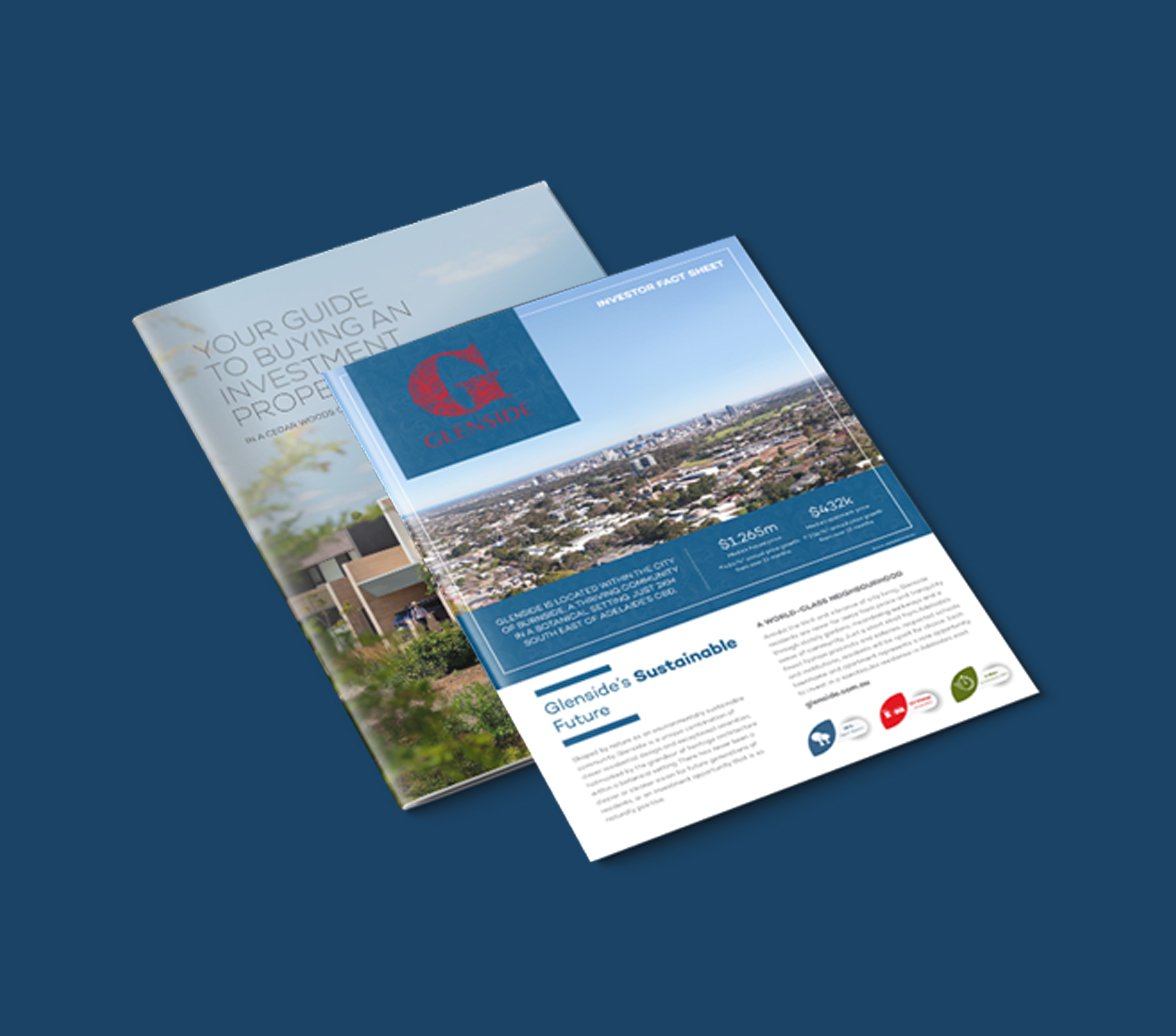
Thinking about taking your first step into property investing? If you're looking for long-term value, strong rental appeal and a premium location, Glenside is one of Adelaide's most compelling investment opportunities. Here's a step-by-step guide tailored to help you invest with confidence.
|
TL;DR Buying your first investment property at Glenside involves 6 key steps:
|
Thinking about buying your first investment property in Adelaide? You’re not alone—and you’re not short on opinions, either. The challenge is cutting through the noise to find clear, practical advice that actually helps you take the first step.
That’s where this guide comes in—tailored specifically for first-time investors looking at Glenside, one of Adelaide’s most sought-after lifestyle suburbs. Whether you’re currently renting, already own your home, or just starting to explore the idea of investing, Glenside offers a unique mix of long-term growth potential, strong rental demand, and low-maintenance living.
In the handy, step-by-step guide below, we’ll walk you through each major milestone, from setting your goals and sorting your finance to settlement and post-purchase management, so you’ll know exactly what to do and when. With the right plan, you can move from browsing to buying with confidence.
Let’s get started.
1. Set you goal & your budget
"Understand your ‘why’, then make a plan."
Like any major financial decision, you should begin with a single, clear goal. When it comes to property investing, you generally have three choices - do you want steady rental income, long-term capital growth or a balance of the two?
Glenside can deliver on all three fronts, with high demand from professional tenants, strong capital growth (as of January 2026, unit prices have surged over 53% in the past 12 months), and premium-quality builds that require minimal maintenance.
The next step should be to sketch out a basic budget, taking into account what you can realistically afford.
Alongside the deposit, plan for all the other purchase costs that may apply. At minimum, allow for:
- Ongoing mortgage repayments – these will vary based on the type of loan you take out, as well as whether it’s fixed or variable.
- Stamp duty – check your estimate with RevenueSA’s stamp duty calculator (useful early in your planning).
- Conveyancing – your conveyancer will outline their specific fees for handling contracts and all necessary legals.
- Lender costs – application fees and, if borrowing with a small deposit, possible Lenders Mortgage Insurance (LMI).
- Insurance – landlord insurance for once you have a tenant.
- Council rates – these are usually tied to property value.
Finally, it’s important to stress-test your plan against all the ‘what ifs’.
Ask: What if interest rates rise by 2%? What if the property sits vacant for a few weeks?
MoneySmart’s “what to consider” checklist is also a helpful cross-reference when you’re weighing up the costs involved in property investing.
If, after this, you’re certain you can cover the basics, it’s time to start saving for the deposit.
If you’re building a deposit from scratch, keep things simple: set up automatic transfers, cancel any services you won’t miss – think Netflix, YouTube Premium or news subscriptions - and transfer any ‘bonus cash’ (tax returns, bonuses etc.) straight to savings.
Give yourself a clear target and a timeframe so you can stay motivated and keep up momentum.
Of course, if you already own your own home and have built up some equity, you might be able to skip the saving slog and jump straight to pre-approval.
2. Arrange pre-approved finance
“Get your money sorted before you start searching.”
This means getting a loan pre-approval in place so you know what you can realistically spend on an investment property.
The benefits are threefold: it will help keep you focused on properties you can comfortably afford, helps refine your budget and speeds things up when you’re ready to place a hold and secure a Glenside apartment.
Part of the pre-approval process involves knowing what sort of loans are available, as property investing comes with its own set of financial considerations.
Refer back to your initial budget and use this phase to work out a realistic repayment amount, and build in a buffer should things get tight.
A quick chat with your bank, mortgage broker or financial adviser will help you understand what loan types are available (ie. interest-only vs principal & interest vs investment loans), how much you can borrow, how to manage any equity involved and what’s sensible for your situation.
3. Shorlist locations with potential
“Or better yet, choose one that’s already proven.”
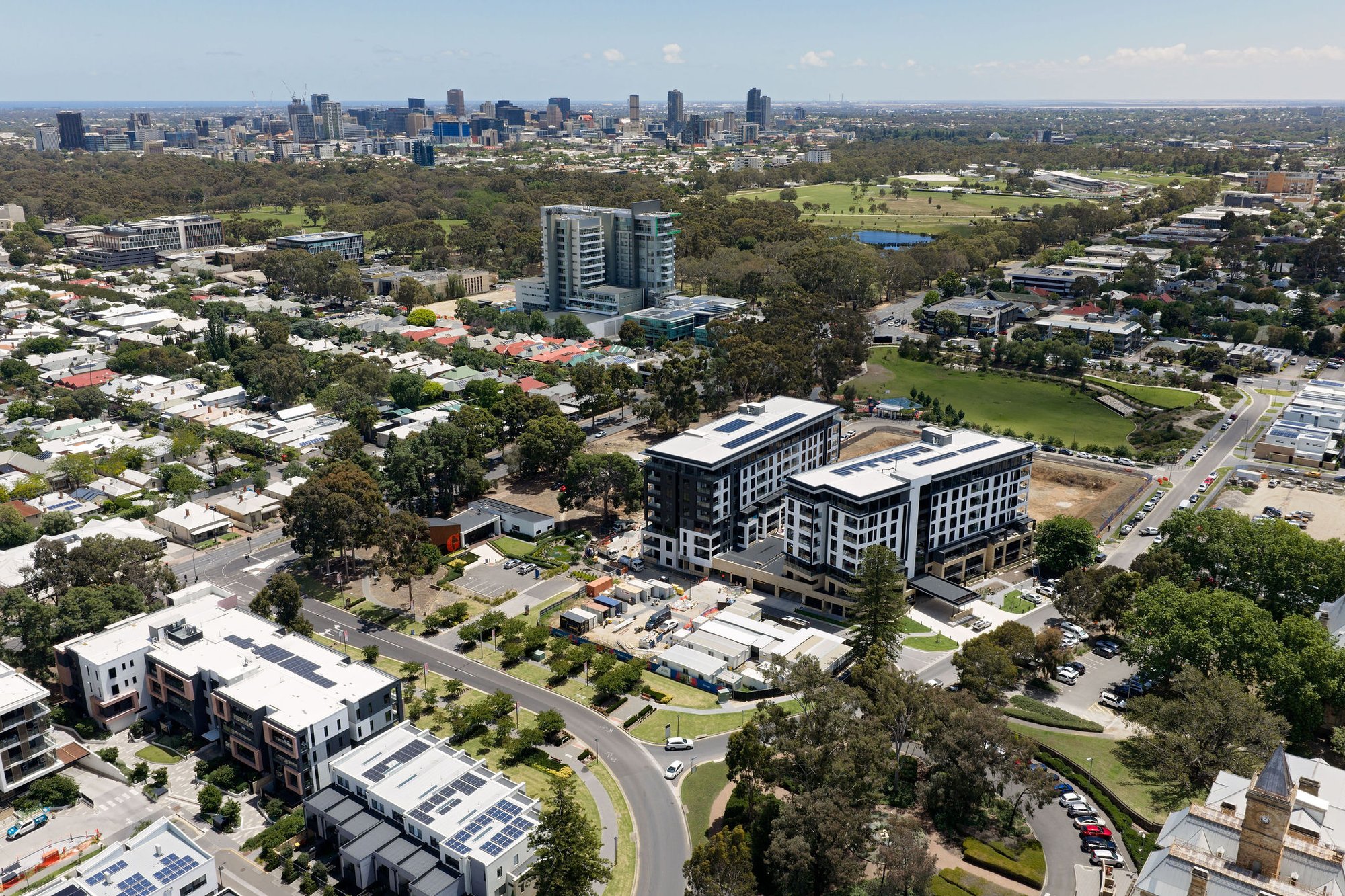
Instead of sifting through dozens of suburbs, why not start with one that already ticks all the boxes? Glenside is one of Adelaide’s most in-demand suburbs for good reason:
- Walkable lifestyle and parkland surrounds
- Proximity to Burnside Village, Glen Osmond Road and Frewville Foodland
- Easy access to the CBD, public transport, schools and hospitals
- Architecturally designed apartments with strong rental appeal
Think like a tenant:
- Would you rent here?
- Are there cafes, parks and services nearby?
- Is it low-maintenance and secure?
With Glenside, the answer is yes across the board. That’s why it’s a popular choice for first-time investors.
4. From selection to contract
“Found ‘the one’? Here’s how to lock it in.”
Once you’ve found a Glenside apartment that fits your budget, aligns with your investment goals, and offers the lifestyle appeal tenants are looking for, the next step is making it official.
Because Glenside apartments are sold off-the-plan at a fixed price, the process is more straightforward than traditional property purchases. There’s no need to negotiate or compete with other buyers—once availability is confirmed, it’s simply a matter of reviewing the documents, aligning your finance, and moving forward with confidence.
Here’s how it typically works at Glenside:
- Secure the property: Once you’ve chosen your preferred apartment, the Glenside sales team will confirm availability and reserve the home at the advertised fixed price. You’ll also review the expected timeline, including finance approval and settlement milestones, especially if construction hasn’t yet started or is still underway.
- Read and review the contract: Next, you’ll receive the sales contract. Even though it’s a long document, it’s the most important one. So read it carefully, line by line. If you’ve got any questions, now’s the time to ask them. Have your conveyancer explain things in simple terms before you sign anything, so you know what you’re agreeing to.
- Receive Form 1 & Cooling Off: After signing the contract, you’ll be served what’s known as a Form 1. This is a document that sets out all the key details about the property. From here, you’ll have two clear business days to change your mind. This is known as the ‘cooling off’ period, and it generally starts next business day after signing.
- Confirm finance & next steps: With contracts signed, your lender can move from pre-approval to formal approval. Your conveyancer will manage the legal side, while the Glenside team keeps you informed about the construction timeline and what to expect next.
Once the contract is signed and your cooling-off period has passed, you’re officially locked in – the contract is now considered ‘unconditional’.
The focus now shifts to settlement. You're officially on your way to owning an investment property in one of Adelaide’s most liveable and in-demand neighbourhoods.
5. Final handover and settlement
“The countdown begins – from unconditional to receiving the keys!”
Once the contract is unconditional, your lender and conveyancer will finalise everything behind the scenes. In the meantime:
- Review the final statement of adjustments
- Sign any remaining documents
- Complete a pre-settlement walkthrough organised by Cedar Woods shortly before settlement
On settlement day your bank or lender transfers the funds, the title moves into your name and you collect the keys. Once the conveyancer confirms this is all complete, Cedar Woos will contact you and organise a time for you to collect the keys. Just like that, you own an investment property in one of Adelaide’s most desirable neighbourhoods.
Once the excitement of the sale has settled down, you’ll want to turn your focus to the next phase – managing your new investment.
6. Post-settlement management
“Solid management for future success.”
When it comes to the ongoing day-to-day management of your new investment property, you have a few choices.
But the path you choose depends entirely on how hands-on or hands-off you wish to be as a landlord.
Some owners like a DIY approach. They set the rent, prepare the lease, create the listing, meet applicants, choose the tenant, collect the bond, handle repairs, conduct inspections, chase arrears and keep all the records up to date.
This can work if you’ve got the time, you’re organised and you’re comfortable dealing with problems quickly (and fairly). It can also save you management fees over time.
However, there’s a catch. Managing a rental property comes with a whole new set of legal responsibilities that, if mismanaged or misunderstood, can turn into much bigger headaches down the track.
The other option is to hire a professional property manager.
A good property manager earns their keep by reducing vacancies, screening tenants using professional databases, staying on top of maintenance, recommending good landlord insurance policies and keeping all your paperwork both up-to-date and legally compliant.
And because they deal with rental properties day-in, day-out, they have their finger on the pulse when it comes to advising on, and setting, realistic rental rates. Plus, as a bonus, their management fees are usually tax deductable.
There isn’t a single right answer. If you’ve got the bandwidth and expertise, DIY can work. But if you’re aiming to build a small portfolio, a professional property manager usually makes life simpler.
Buying your first investment property doesn’t need to be overwhelming, especially when you choose a location that’s already ticking the boxes.
With Glenside’s potential for long-term growth, premium design, tenant appeal and unbeatable location, it’s a smart entry point for first-time investors looking to build a solid foundation.
Want to learn more? Visit our Sales & Information Centre at 220 Fullarton Road, Glenside or head to glenside.com.au to view current investment opportunities.
Want to learn more?
Visit our Glenside Sales & Information Centre at 220 Fullarton Road, Glenside or view our apartment for sale page to view current investment opportunities.