
Written by

House and land packages
If you're thinking about buying a house and land package you’re likely to have a few questions. We’ve created this handy guide to walk you through the entire process of buying a house and land package in a Cedar Woods community.

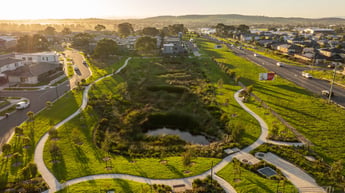
Buying land in Victoria: what should you consider before choosing a block?
At Cedar Woods, we know that choosing a block of land involves more than comparing locations and square metres. Its frontage, depth and shape can influence the home you build, while site conditions, easements and title status can affect your plans and costs.
We’ve put together the key considerations to help you ask the right questions before buying land in Victoria.
Start with the home you want to build
Block size matters, but it doesn’t tell you everything about what you can build. Compare your preferred floorplan, garage and outdoor areas with the block’s frontage, depth and shape. Easements and setbacks can limit the area available for building.
Think about orientation too. Consider where the living areas and outdoor spaces could sit to make use of natural light, rather than focusing only on which direction the street faces.
We recommend asking your preferred builder to assess the block early, particularly if it slopes or has an unusual shape. This can help you identify potential design changes and additional costs before you commit.
Understand titled and untitled land
A titled lot has its own registered title. In a new subdivision, an untitled block may be sold before its individual title is registered.
The anticipated title registration date is an estimate and may change. It does not confirm when construction can begin. If you are considering untitled land, check what triggers settlement under your contract and allow some flexibility in your plans. Your conveyancer or solicitor can explain the relevant terms.
Even after a title is registered, settlement, finance, home design, estate approval where required, statutory approvals and your builder’s availability are separate steps. A registered title does not, by itself, mean construction can start.
Look closely at buildability and site costs
Two blocks of the same size can have very different building implications. Slope may affect excavation, retaining walls and floor levels. Soil conditions, fill, rock, drainage, services and access during construction can influence the design and cost of a home.
A block that looks flat may still have costs that are not obvious from an inspection. Ask your builder what site information is available and what needs to be confirmed through surveys, soil testing or engineering. Check whether the proposed building price is based on site-specific soil and foundation data.
When comparing building proposals, find out which site costs are fixed, which are allowances and which depend on further investigation. For more detail, see Consumer Affairs Victoria’s guidance on foundations.
Check Design Guidelines and restrictions early
New communities often have Design Guidelines covering matters such as façades, building materials, setbacks, garage locations, fencing and landscaping. Corner blocks may have additional requirements because more than one side of the home faces a street.
At our Mason Quarter community in Wollert and Clara Place in Fraser Rise, Design Guidelines are provided as part of the contract documentation. Review the applicable Mason Quarter Design Guidelines or Clara Place Design Guidelines with your builder alongside the plan of subdivision and other relevant contract documents. Check which edition and conditions apply to your block.
Estate design approval does not replace a building permit or any planning permit that may be required. Ask your conveyancer or solicitor to review the Section 32 vendor statement for easements, covenants and other restrictions. You should also check the planning zone and any overlays with the relevant council, and understand any contractual requirements about when building must start or finish.
Compare the total cost, not just the land price
The advertised block price is only one part of a land-and-build budget. Allow for site works, the building contract, upgrades, permits, service connections and finishing items such as fencing, landscaping, driveways and window furnishings.
Your broader budget may also include conveyancing, land transfer duty where applicable, finance costs and settlement adjustments. Some buyers may qualify for concessions or other assistance, but eligibility depends on current rules and individual circumstances.
Compare quotes carefully so costs are not missed or counted twice. A lower-priced block might require additional site works or changes to your preferred design, while another block might cost more upfront but better accommodate the home you want to build.
Think about how the block fits your lifestyle
Different block sizes suit different home designs, budgets and lifestyle needs. Consider how the block accommodates your preferred home and outdoor space, as well as its relationship to schools, transport, shops, parks and recreation.
At our Somerley community in Corio, published releases have included blocks below and above 300 square metres, close to established local amenities. Compare the available options with your floorplan, outdoor space and maintenance preferences, and check current block sizes and availability with the project team.
There is no single block size that suits every buyer. The aim is to understand the trade-offs before deciding what works for you.
Five questions to ask before buying a block
- Will my preferred home fit? Check the frontage, depth, setbacks, easements and available building area with your builder.
- What needs to happen before I can start building? Title registration, settlement, home design, estate approval where required, statutory approvals and your builder’s construction program are separate milestones.
- Which site costs are known? Ask which costs are confirmed, which are allowances and which depend on further testing or engineering.
- What design requirements apply? Review the applicable Design Guidelines, title information and contract documents before finalising your design.
- What will the completed home cost? Compare the overall land-and-build budget rather than the advertised block price alone.
Your builder and conveyancer or solicitor can help answer different parts of these questions. Involving them early can help you make a more informed decision.
Choosing a block that works for you
At Cedar Woods, we believe good decisions start with clear information. Before committing to a block, check its dimensions, site conditions, title status, design requirements and total budget with the people advising you.
Explore our Victorian communities and land for sale and contact the relevant project team for current availability.