
Written by
Townhouses and apartments
Thinking about buying a new apartment or townhouse off the plan in a Cedar Woods community? We’ve created this handy guide to walk you through the entire process from choosing your property to move-in day.

Buying off-the-plan in South Australia? From modern design and energy savings to government grants worth tens of thousands, here’s what the process looks like - and why it’s worth a closer look.
|
TL;DR In South Australia, new homes offer modern, energy-efficient design, lower running costs, fewer maintenance headaches in the early years and warranty protections that don't apply to existing properties. The buying process follows a clear, structured path from deposit to settlement, and most of the government grants and incentives currently available to SA buyers are specifically designed for new home purchases - making it both a lifestyle and a financial decision worth considering. |
If you’ve been browsing properties in South Australia lately, you’ve probably come across the term ‘off-the-plan.’
Maybe you’ve seen new developments going up across Adelaide and wondered what it would be like to move into something brand new?
Or maybe you’ve been quietly weighing up whether it makes sense to purchase off plan properties rather than buy an existing home - but aren’t quite sure where to start.
You’re not alone. More and more South Australian buyers are making this choice, and once you see what buying new offers, it’s easy to understand why.
From thoughtful, modern design to serious financial incentives, buying new brings a lot to the table. But as with any property decision, it pays to go in informed.
So let’s unpack what buying off-the-plan involves, what you’re getting when you buy new and what support might be available to help you get there.
What does buying ‘off-the-plan’ mean?
Put simply, purchasing ‘off-the-plan’ simply means purchasing a property before it’s been built - or before construction is complete.
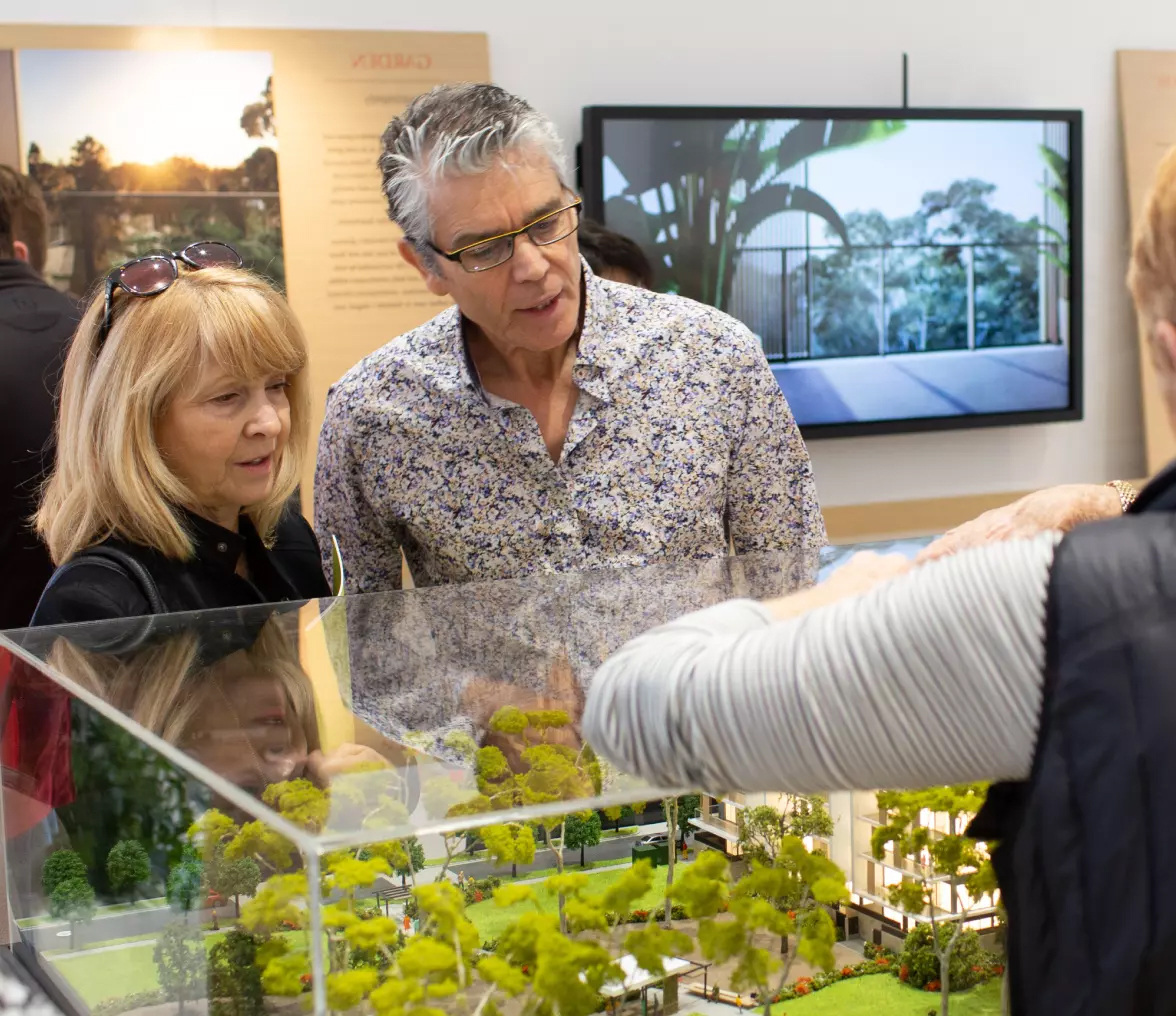
Rather than walking through a finished house and deciding on the spot, you’re buying based on floor plans, renders and display suites.
But the main difference from buying an existing property is timing. The gap between signing your contract and moving in can range from a few months to a couple of years, depending on the development.
The financial structure is a little different too.
You’ll typically pay around 10% as a deposit when you sign the contract, with that deposit held in trust until settlement.
The remaining balance is then settled once construction is complete.
That window between contract and settlement also gives you valuable time to get your finances sorted before the big day arrives, which can be a good thing if you’re still trying to save.
For buyers who’ve only ever considered older homes, the process might feel unfamiliar at first. But it follows a clear, structured path - and at the end of it, you’ll be the very first person to walk through the front door as the owner.
Designed around the way you live
One of the most noticeable differences in a new home, as compared to an older home, is how the spaces flow.
Step inside most homes built before the 1990s and you’ll spot very similar features: separate kitchens, sectioned-off dining rooms and long hallways that eat up usable space.
New homes don’t tend to be designed that way anymore.
Off-the-plan developments are, more often than not, designed around open-plan living, where kitchen, dining and living areas flow naturally. You can cook while keeping an eye on the kids in the next room, or host friends without feeling boxed in behind a wall. The space works with your routine, rather than against it.
And in South Australia that open-plan thinking also often extends outdoors.
Modern layouts are specifically designed to make the most of the state’s enviable climate year-round, with seamless transitions between indoor living and alfresco areas with things like sliding doors that open right out to a covered entertaining zone, or a living room that flows onto a north-facing courtyard or balcony.
The way we work has changed too, and new home designs have caught up.
In older homes, a dedicated workspace was a luxury. If your home didn’t have one, you made do with a spare bedroom or the kitchen table. In most new builds, you’ll find a quiet, functional home office or niche already built-in as part of the floor plan - ready to go right from the start.
You’ll also find that features like generous master suites and built-in storage come as standard, not as upgrades you need to add later. Walk-in robes, linen cupboards, pantry storage or butler’s kitchens - the practical inclusions that older homes often lack and that cost thousands to retrofit - also tend to feature heavily in new home builds.
These might sound like small details. But a home that suits your daily life from the moment you move in makes a huge difference to your lifestyle.
Lower running costs from day one
Under the National Construction Code 2022 (NCC 2022), all new homes and apartments in Australia must meet a minimum 7-star energy efficiency rating through the Nationwide House Energy Rating Scheme (NatHERS).
This rating measures how well a home maintains comfortable indoor temperatures without relying heavily on heating or cooling.
In practical terms? It means better insulation, smarter window placement, solar-ready roofing and water-efficient fittings all working together to reduce your home’s energy consumption.
Features like double-glazed windows - which can reduce heat loss by up to 30% - are also increasingly standard in new builds. Paired with well-considered shading, they help keep your home comfortable through Adelaide’s hot summers and cool winters, with far less effort required from your heating and cooling systems.
Those savings on energy bills can add up significantly over the course of your ownership.
But the best bit? None of it requires any extra work on your end - it’s already built in!
Bringing an older home up to the same standard is possible, but it usually means significant investment in retrofitting new insulation, upgrading glazing and replumbing for water efficiency.
New home, new everything
Another bonus? When you buy off-the-plan, everything is brand new. And we mean everything - from the appliances right down to the plumbing. And all of it is built to the most recent building codes.
That means you won’t be inheriting decades-old wiring or an air conditioning system on its last legs.
Instead, you’ll move into a home that’s pre-wired for internet and smart home technology, with NBN-ready infrastructure and LED lighting throughout. These are features that buyers of older homes often need to add later, at considerable cost.
New plumbing and electrical systems also mean no nasty surprises after settlement - no hidden pipe leaks, no outdated switchboards and no costly rewiring jobs.
There’s also a layer of legal protection that’s important to be aware of.
In South Australia, statutory warranties under the Building Work Contractors Act 1995 cover things like workmanship, materials and fitness for habitation.
These protections apply for up to five years from the date of practical completion - that means you’ve got a genuine safety net that buyers of existing homes simply don’t have.
Less upkeep in the early years
Because everything is new and covered by warranty, the first several years of ownership tend to be far more manageable when it comes to maintenance.
There are no ageing systems to worry about, no inherited repair lists to work through and no surprises lurking in the framework.
And to put it into real terms - that’s cash that you’d otherwise be forced to spend on tradies and repairs, that can instead be put towards family, travel, hobbies or simply enjoying the home you’ve worked hard to buy!
Whether you’re a young family juggling a busy schedule, a professional with limited time on weekends or a downsizer looking for something low-fuss, reduced maintenance can certainly make a real difference to every new homeowner.
To be fair, maintenance is deferred rather than eliminated – because in reality every home needs attention eventually.
But the contrast between a brand-new, off-the-plan property and one that’s already had decades of wear in those first five to ten years is significant, both in cost and in peace of mind.
Plus, if you’re buying an apartment, common areas like gardens, hallways and shared facilities are typically looked after by the body corporate, so there’s very little personal upkeep required on your end. That’s another huge win!
How the buying process works in SA
Understanding the lifestyle and financial benefits is one thing - but it helps to know what the buying journey looks like when you’re considering buying off-the-plan property.
Like all property purchases, most buyers start with their finances.
Getting a pre-approved loan in place before you tour a development gives you clarity on your budget and shows sellers you’re serious. Formal loan approval typically comes later, closer to the build’s completion, and once the property can be properly valued.
From there, it’s about doing your research: exploring suburbs, visiting sales centres, displays and reviewing floor plans. This is the stage to ask questions, compare options and get a genuine feel for what’s on offer out there.
It’s also where a conveyancer becomes important.
Off-the-plan contracts include specific terms that aren’t included in standard property contracts - like the sunset clause, which sets the deadline for construction to be completed and outlines what happens if that date isn’t met. So it’s essential to have a conveyancer review the contract before you sign on the dotted line.
When you do sign, you’ll typically pay a 10% deposit, which is held in trust until settlement.
You’ll also have a cooling-off period that’s standard under SA law – this means that once the contract is signed and the Form 1 (Vendor’s Statement) has been served, you have two clear business days to reconsider your purchase. It’s a short window, so having your conveyancer and finances lined up beforehand is key.
As construction wraps up, you’ll also get the chance to do a pre-settlement inspection. This is your opportunity to go through the finished property and confirm everything has been completed to the agreed standard before the balance is paid and the keys are handed over.
Once settlement goes through, ownership formally transfers to you and the home is yours!
The financial case for buying off-the-plan in SA
Beyond the lifestyle and practical benefits, there’s a financial aspect that’s well worth understanding - because most of the buyer assistance programs available at both the state and federal level are specifically designed to support the purchase of new homes.
That means buyers who choose to purchase off-the-plan, or through a house-and-land package, are often best placed to access the full range of available support.
And when you stack several of these together, the savings can be substantial. Here are the incentives and schemes worth exploring as of March 2026:
If you’re buying or building a new home in South Australia, you may be eligible for a one-off grant of up to $15,000 from the SA State Government. The SA FHOG is one of the more straightforward forms of support on offer, and applies to new homes only - established properties don’t qualify. There is currently no property price cap for contracts entered into on or after 6 June 2024. However, eligibility rules changed on 13 February 2025. For contracts entered into on or after that date, you and your spouse or domestic partner must not own, or have previously owned, a residential property anywhere in Australia. You can check whether you qualify on the RevenueSA website.
Stamp duty is one of the bigger upfront costs in any property purchase, but eligible first home buyers in South Australia may be able to access relief depending on the type of property and the date the contract was entered into. While established homes don’t qualify and a property value cap used to exist, for contracts entered into by first-time home buyers on or after 6 June 2024, there is no cap for stamp duty relief on eligible new homes or off-the-plan apartments. On a $600,000 property, for instance, that saving could be more than $26,000! So it’s a great time to look at new developments and estates that might be popping up.
For buyers who need a bit more room in their budget, the HomeStart Shared Equity Option is something to consider. Through this SA Government-backed lender, HomeStart can lend you between 5% and 25% of the property’s purchase price (or property valuation, whichever is lower) as an additional loan. No interest is charged and no regular repayments are required on this supplementary loan. Instead, when you sell, HomeStart shares in any gain or loss in the property’s value. And if you refinance or pay it out early? HomeStart shares in any gain, but not any loss. The home must also be your principal place of residence, and other eligibility criteria should be checked directly with HomeStart.
Saving up a full 20% deposit is one of the most significant barriers for first home buyers. The federal government’s Australian Government 5% Deposit Scheme - previously known as the Home Guarantee Scheme - was introduced to assist with exactly that issue.
Beginning 1 October 2025, eligible buyers can purchase a home with a deposit as low as 5% without paying Lenders Mortgage Insurance. The expanded scheme also has no income caps, unlimited places and can be used to purchase both new and existing homes (subject to property price caps and lender criteria).
If you’ve been making voluntary contributions to your super fund, you may be able to use some of that money toward your deposit. The First Home Super Saver Scheme (FHSS) allows eligible first home buyers to withdraw up to $50,000 in eligible voluntary contributions for this purpose. The home must be one you intend to live in. For South Australian public sector workers, Triple S contributions are not eligible under this scheme.
It’s not just about buying new… it’s about buying smart.
There’s a big difference between buying a home that just happens to be new, and buying one that’s actually been designed around the way you intend to live day to day.
The buyers who tend to be most satisfied with a new, off-the-plan home are the ones who went in with a clear plan, and who understood what they were choosing and why. They weren’t just attracted by the newness of the property. They valued the fact that a well-designed home is going to keep delivering significant benefits, year after year.
Five or ten years down the track, an open-plan layout will still work. The energy efficiency will continue to save you money. Lower maintenance will mean fewer surprise repair bills.
Plus, when you factor in the financial support currently available to buyers of new homes in SA - grants, stamp duty savings, shared equity options and low-deposit guarantees - it becomes clear that buying off-the-plan isn’t just a lifestyle decision. For many buyers, it’s a financially strategic one too.
Of course, as with any property purchase, the key is doing your homework.
Understanding the process, getting the right professional advice and making sure the numbers add up will always matter more than whether a property is new or not.
And if you’re curious about what’s available right now? The Cedar Woods team would love to help you find the perfect fit.
Cedar Woods Properties is a leading, national developer of residential communities and commercial developments.
We strive to create quality homes, workplaces and communities that people are proud of.
With award-winning projects in Western Australian, Victoria, Queensland and South Australia, we continue to place great importance on understanding our customers and their lifestyle, producing design solutions to enrich their lives.
For more than 30 years we have worked hard to think ahead, evolving our designs to always respond to the changing world in which we live and creating meaningful places that inspire connection and help us grow.
We work with our customers every step of the way to create a solid foundation for their future.
Because at Cedar Woods we know we are developing tomorrow, today.
DISCLAIMER: All recommendations made by Cedar Woods are general in nature and not to be relied upon as legal or financial advice. To ensure accuracy, we always strongly recommend seeking independent, professional advice tailored to your specific situation before making any investment or financial decisions.